

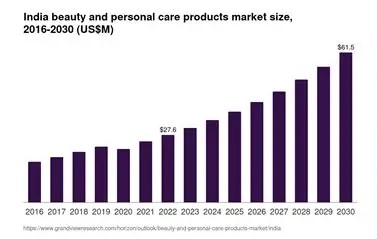
India’s beauty and retail sector has undergone a remarkable transformation in the past decade. From traditional corner stores to global luxury brands, the industry has evolved rapidly, fueled by changing consumer behaviors, rising disposable incomes, and the proliferation of digital platforms.
Understanding the consumer spending trends behind this growth is essential for brands, investors, and marketers seeking to navigate one of the world’s most dynamic markets. This article explores the latest developments shaping India’s beauty and retail landscape, highlighting the forces driving consumption, evolving preferences, and opportunities for future growth.
Read Also: Indian Beauty Market Insights: Size, Growth, and Key Players
The Rise of India’s Beauty and Retail Market
India’s retail industry has been on an upward trajectory, expected to reach over $1 trillion by 2030. Within this broader ecosystem, the beauty segment has emerged as a key driver, contributing significantly to consumer spending. This surge can be attributed to several socio-economic factors: a growing middle class, urbanization, increasing awareness of personal grooming, and the influence of global beauty standards.
The retail sector in India has also diversified, moving beyond traditional mom-and-pop stores to organized retail chains, e-commerce platforms, and experiential outlets. Beauty products, including skincare, haircare, color cosmetics, and fragrances, have become increasingly accessible, catering to a wide range of consumer budgets. As a result, both domestic and international brands are aggressively targeting this expanding market.
Key Consumer Spending Trends in India
Rising Disposable Incomes and Urbanization
One of the most significant drivers of spending in India’s beauty and retail sector is the increase in disposable income, especially among urban consumers. India’s GDP growth, combined with rising employment in sectors like IT, finance, and services, has empowered consumers to spend more on discretionary items such as beauty and personal care products. Urbanization has further facilitated access to organized retail stores and e-commerce platforms, making premium products more reachable.
Shift Toward Premium and Niche Products
Indian consumers are increasingly shifting from mass-market products to premium and niche offerings. This trend is particularly evident in skincare and cosmetics, where ingredients, brand reputation, and ethical sourcing influence purchase decisions. Consumers are now willing to invest in products that promise quality, efficacy, and unique experiences. Brands offering natural, cruelty-free, or sustainable products are seeing substantial growth, indicating a shift in values alongside spending capacity.
Digital Transformation and E-commerce Adoption
The digital revolution has transformed consumer spending habits in India. Online shopping platforms, beauty apps, and social media channels have made it easier for consumers to discover, evaluate, and purchase products. Influencer marketing and beauty tutorials on platforms like Instagram and YouTube are shaping consumer preferences and encouraging experimentation with new products. The convenience of doorstep delivery and attractive online deals has also accelerated e-commerce adoption, contributing significantly to overall retail growth.
Personalization and Consumer Experience
Modern Indian consumers prioritize personalized experiences over generic offerings. Retailers and beauty brands are leveraging data analytics and AI-driven tools to tailor recommendations, curate product selections, and enhance customer engagement. From virtual try-ons to subscription boxes, personalization has become a critical factor in influencing purchase decisions. This trend highlights a growing sophistication in consumer behavior, where brand loyalty is increasingly linked to meaningful interactions and experiences.
Influence of Social Media and Influencer Culture
Social media has emerged as a powerful driver of consumer spending, especially in beauty and fashion. Platforms like Instagram, TikTok, and Pinterest showcase the latest trends, tutorials, and product reviews, directly impacting buying decisions. Influencers act as trusted advisors, bridging the gap between brands and consumers. As a result, even small-scale or emerging brands can gain rapid visibility and credibility, influencing consumption patterns across urban and semi-urban markets.
Key Segments Driving Growth
Skincare
Skincare is the fastest-growing segment in India’s beauty industry. Consumers are increasingly aware of ingredients, formulations, and long-term skin health. Products such as serums, moisturizers, sunscreens, and anti-aging creams are experiencing high demand, particularly among millennials and Gen Z consumers. The preference for natural and Ayurvedic products is also influencing market trends, as consumers seek safe, chemical-free alternatives.
Haircare
Haircare remains a significant contributor to the beauty market, with shampoos, conditioners, oils, and styling products experiencing consistent demand. The growth of premium haircare brands and treatments reflects an increased willingness to invest in personal grooming. Moreover, awareness of hair wellness and scalp health has fueled the demand for specialized products, such as anti-dandruff, anti-hair fall, and organic formulations.
Color Cosmetics
The color cosmetics segment, including foundations, lipsticks, eyeliners, and nail care products, is witnessing rapid growth, particularly in urban centers. Consumers are experimenting with bold colors, new textures, and limited-edition launches. The influence of celebrity endorsements, social media trends, and seasonal promotions has intensified competition in this segment, pushing brands to innovate continuously.
Fragrances and Personal Care
Fragrances, deodorants, and other personal care products are becoming an essential part of daily grooming routines. The shift toward self-expression and lifestyle-oriented purchases has bolstered demand for premium and niche fragrances. Similarly, male grooming products, once a niche market, are now experiencing significant growth, reflecting changing societal norms and greater emphasis on personal care across genders.
Regional and Demographic Variations in Spending
India’s diversity means consumer spending trends vary widely across regions and demographics. Metropolitan cities such as Mumbai, Delhi, Bangalore, and Hyderabad lead in premium and organized retail consumption, while tier-2 and tier-3 cities are witnessing gradual adoption, especially through e-commerce channels. Millennials and Gen Z are the most active consumers, favoring digital-first experiences, social validation, and ethical consumption. On the other hand, older generations still value trust, familiarity, and offline retail experiences, creating a multi-layered consumer landscape.
The Role of Retail Channels in Shaping Spending
Brick-and-Mortar Stores
Despite the e-commerce boom, physical stores remain a critical component of India’s retail ecosystem. Beauty consumers value tactile experiences, product testing, and personalized consultations. Flagship stores, beauty counters, and experiential outlets provide immersive environments that enhance brand perception and drive purchase intent.
E-commerce and Omnichannel Strategies
E-commerce has emerged as a key growth driver, offering convenience, variety, and competitive pricing. Many brands are adopting omnichannel strategies, integrating offline and online touchpoints to create seamless consumer journeys. Subscription services, loyalty programs, and app-based offerings further encourage repeat purchases and enhance brand engagement.
Direct-to-Consumer (DTC) Models
The rise of DTC brands in India is reshaping spending patterns. These brands bypass traditional retail intermediaries, offering products directly to consumers through online platforms. DTC models enable better pricing, personalized experiences, and faster adoption of trends. Popular DTC beauty brands are leveraging social media marketing and influencer partnerships to rapidly capture market share.
Emerging Trends Shaping Consumer Preferences
Ethical and Sustainable Consumption
Indian consumers are increasingly conscious of the ethical and environmental implications of their purchases. Sustainable packaging, cruelty-free testing, and eco-friendly formulations are gaining traction, particularly among younger demographics. Brands that align with these values are not only attracting ethical consumers but also building long-term loyalty.
Men’s Grooming and Inclusive Beauty
The rise of men’s grooming products and inclusive beauty offerings reflects broader shifts in societal attitudes. Products targeting diverse skin tones, hair textures, and personal care needs are gaining importance. Inclusive marketing campaigns and product diversification are enabling brands to tap into previously underserved segments.
Experiential Retail and Personalization
Experiential retail continues to influence consumer spending. Pop-up stores, beauty workshops, and interactive displays encourage exploration and experimentation. Personalization tools such as AI-based product recommendations, virtual try-ons, and subscription boxes cater to individual preferences, enhancing engagement and driving repeat purchases.
Economic and Policy Factors Influencing Spending
Government policies and economic conditions play a crucial role in shaping consumer behavior. Initiatives such as the Digital India program, GST reforms, and incentives for domestic manufacturing have facilitated growth in retail and beauty sectors. Additionally, rising credit penetration and easy financing options are enabling consumers to spend more on discretionary items. However, inflation, global supply chain disruptions, and currency fluctuations can impact pricing and demand, requiring brands to remain agile.
Future Outlook for India’s Beauty and Retail Sector
The future of India’s beauty and retail sector appears promising, driven by urbanization, digital adoption, and evolving consumer lifestyles. Analysts project sustained growth in e-commerce, premium products, and niche offerings. The convergence of technology, personalized experiences, and ethical consumption will shape the next phase of retail evolution. Brands that embrace innovation, adaptability, and consumer-centric strategies are likely to thrive in this competitive landscape.
Key opportunities lie in expanding into tier-2 and tier-3 cities, leveraging AI and data analytics for personalization, and investing in sustainable and inclusive product lines. Collaboration with influencers, strategic use of social media, and omnichannel integration will continue to influence spending patterns and brand loyalty.
Conclusion
India’s beauty and retail sector is no longer just about products—it reflects lifestyle aspirations, cultural shifts, and technological adoption. Consumer spending trends reveal a market that is increasingly sophisticated, value-conscious, and digitally savvy. Rising incomes, urbanization, and changing attitudes toward self-expression are driving growth across skincare, haircare, cosmetics, and personal care products.